
How to Retain Automotive Technicians
By Anthony Calhoun - 25-Year ASE Master Technician, Author of “Why Technicians Are Leaving and How to Keep Them”
Retention is not a program you implement. It is the result of how you lead every single day. I have spent 18 years as a flat-rate technician and 7 years managing high-volume dealership service departments. The shops that keep their best people are not doing anything complicated. They are doing the fundamentals consistently, and the shops that bleed talent are skipping the same fundamentals over and over.
Overall dealership turnover sits at approximately 42 percent as of 2025. Non-luxury brands are reaching as high as 45 percent. That means nearly half your technical staff could walk out this year. And replacing one technician conservatively costs $50,000 to $90,000 when you account for recruiting, onboarding, training, and the revenue gap during the vacancy. The math is brutal. But the fix is not complicated - it just requires a commitment to doing things differently. I built APEX Tech Nation because technicians have been asking for this kind of support for years, and most shops were not providing it.
The Retention Formula
After 25 years on both sides of the desk, I boiled it down to this: earned respect plus understanding the flat-rate mindset plus protecting time plus honest expectations plus growth investment plus genuine belonging equals technicians who stay and produce at their ceiling. Every component matters. Remove one and the formula weakens. The shops that retain their best people do all of these things consistently, not occasionally.
Earn Respect - Do Not Demand It
If you want technicians who hustle, be a hustler. If you want a shop full of people who take pride in their work, take visible pride in yours. Technicians have a doer’s mentality - it is baked into the flat-rate system. They measure everyone around them by the same standard.
When I moved into management, I already knew my technicians from working alongside them. I made a deliberate choice to stay hands-on. I pulled cars. I helped with diagnoses. I did the small things that saved time. They saw it. They knew it was genuine. Respect came naturally because I led from the front. You do not have to be a master technician to lead a service department. But you have to be willing to get off the desk and demonstrate that you are working as hard for the shop as the people in the bays are working for their paychecks.
One response to a video I posted stuck with me. A 24-year-old technician said:
“I am a 24-year-old tech, been wrenching for 4 years. I make pretty good money, but it is because my service manager was a master tech and knows what it is like in the garage. He does everything in his power to help his techs.”
That is the whole game right there. A manager who understands the work and actively helps his people succeed. That technician is not looking for another job. For more on why the gap between desk and bays matters so much, read my piece on why technicians quit.
Protect Their Time Above All Else
The single most impactful change most service managers could make tomorrow is simply making a commitment to stop wasting their technicians’ time and actively protecting it instead. Flat-rate technicians live by the tenth of an hour - every 0.1 equals six minutes. At a flat-rate percentage on a $150 per hour labor rate, every lost tenth is $8 to $15 gone.
Audit how many interruptions happen in your shop on a typical day. Count how many vague repair orders go to the bays without proper documentation. Track how long approvals take. Measure how often favors are asked. Each one of those is money out of your technician’s pocket for something entirely outside their control. Fix the time leaks and you will see flagged hours rise, morale improve, and turnover start to slow - without changing a single thing about pay.
Get the Pay Plan Right
Pay is rarely the primary reason technicians leave a well-run shop. But it is the primary reason they do not even consider applying to a poorly run one. Your pay plan needs to be competitive for your market, transparent in its structure, and designed to reward the behaviors you actually want - skill development, quality work, and production.
Flat rate, when a shop is run well, is a powerful motivator for exactly the technicians you want. The hustlers, the diagnosticians, the people who take pride in being efficient and accurate. The problem is never flat rate itself. The problem is flat rate in a shop with poor workflow, poor dispatching, slow approvals, and constant interruptions. Fix the shop, and flat rate becomes an asset again. For more on the flat rate conversation, read flat rate vs hourly: which pay plan works.
Review your pay plan annually. Know what your competitors are offering. Know what your top technicians would make if they left today. Close meaningful gaps before they become departure conversations.
The First 90 Days Make or Break Retention
I have watched more technicians walk out within 180 days than I can count. And in almost every case, the departure was predictable and preventable. The shop set expectations poorly, provided inadequate support during the ramp-up period, assigned work that was not appropriate for the skill level, and then got frustrated when the new hire was not immediately performing like a ten-year veteran.
Pair every new technician with a senior tech who is willing and capable of mentoring. Have the tool investment conversation proactively - tell them to start with what they need to do the work assigned right now, buy smart, and grow the investment as income grows. A technician who is not drowning in tool debt in their first year has the financial breathing room to stay focused on developing their skills.
Schedule genuine check-ins at 30, 60, and 90 days. Not performance reviews - real conversations. How is the workflow hitting you? What is getting in the way? What do you need that you are not getting? Most technicians will not volunteer concerns until they are already mentally halfway out the door. The check-in creates a structured moment for problems to surface while there is still time to address them. Give new hires access to free training for your techs so they can develop on their own time too.
Recognition That Actually Lands
Technicians do not need elaborate recognition programs. They need to feel that their contribution is seen and valued by the person they work most directly with - their service manager. Simple, specific, genuine acknowledgment goes a long way. Noting a difficult diagnosis handled well. Recognizing when someone helped a colleague without being asked. Calling attention to a period of strong productivity without a comeback.
One of the things I did as a manager was start an annual art competition using salvaged automotive parts - old pistons, rotors, spark plugs, whatever scraps were available. Technicians could build anything. We judged first through third place with cash payouts, and every entry got displayed throughout the dealership - in the waiting area, the offices, visible to customers and staff. It turned technicians into creators in the eyes of everyone in the building. Customers asked about the pieces. Compliments came back to the technicians. The cost was minimal. The return in goodwill and morale was significant.
I also stocked my office with books for technicians to borrow or keep. It started when I overheard two younger techs saying they wished they could ask a wealthy person how to get wealthy. I jumped in and mentioned that is literally The Richest Man in Babylon, ordered several copies, and left them available. A few guys took them, and it opened conversations about finances, goals, and life beyond the shop. Sales teams sometimes get financial advisors brought in to talk about investing and retirement planning. Technicians rarely receive that kind of investment in their futures.
Respect Their Life Outside the Shop
Technicians are not asking for unlimited flexibility. Most understand the demands of the business. What they are asking for is that their time outside work be genuinely respected. That the shop does not call on scheduled days off without a real emergency. That when they say they need to leave at a certain time, that information is factored into dispatching rather than ignored. That family matters.
The shops that create genuine brotherhood - team events, mutual support, real camaraderie - are the shops technicians describe when they talk about their favorite places they have ever worked. That culture does not happen by accident. It requires consistent investment from leadership. Giving your technicians a community outside your walls through ASE certification training and peer support reinforces that you care about their career, not just their production.
Start With One Thing
None of this requires a budget approval. None of it requires a new system or a consultant coming in to overhaul your operations. It requires a decision - made today, acted on tomorrow - to lead differently than most service managers do.
Go into the shop tomorrow and ask a technician what their day looks like and what is getting in the way. Then actually fix the thing they name. That single action, done genuinely, signals something that years of policy memos cannot: that you are paying attention and you care.
If this sounds like your shop and you want help building these systems, that is exactly what I do. Let’s talk.
About the Author
Anthony Calhoun is a 25-year automotive industry veteran, ASE Master Technician, and author of “Why Technicians Are Leaving and How to Keep Them.” He is still in the bays turning wrenches in 2026 while running AWC Consulting LLC, helping Fixed Ops leaders recruit, train, and retain the technicians who drive their profitability. For consulting inquiries, reach out at AWC@awcconsultingservices.com.
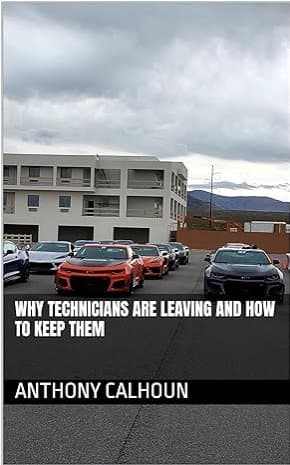
From the Author
Why Technicians Are Leaving and How to Keep Them
Anthony Calhoun spent 25 years in the bays and behind the service desk. This book breaks down exactly why techs walk - and what shop leaders can do about it. Real stories, real data, no corporate fluff.
Get the book on Amazon →